
Our work
Outreach, shelter, food, clothing and the long walk back into work.
Our services are built to work in sequence. Outreach makes contact. Shelter creates stability. Food and clothing remove daily crises. Only then does the work of rebuilding — ID, housing, employment — become realistic. Each stage below feeds the next.
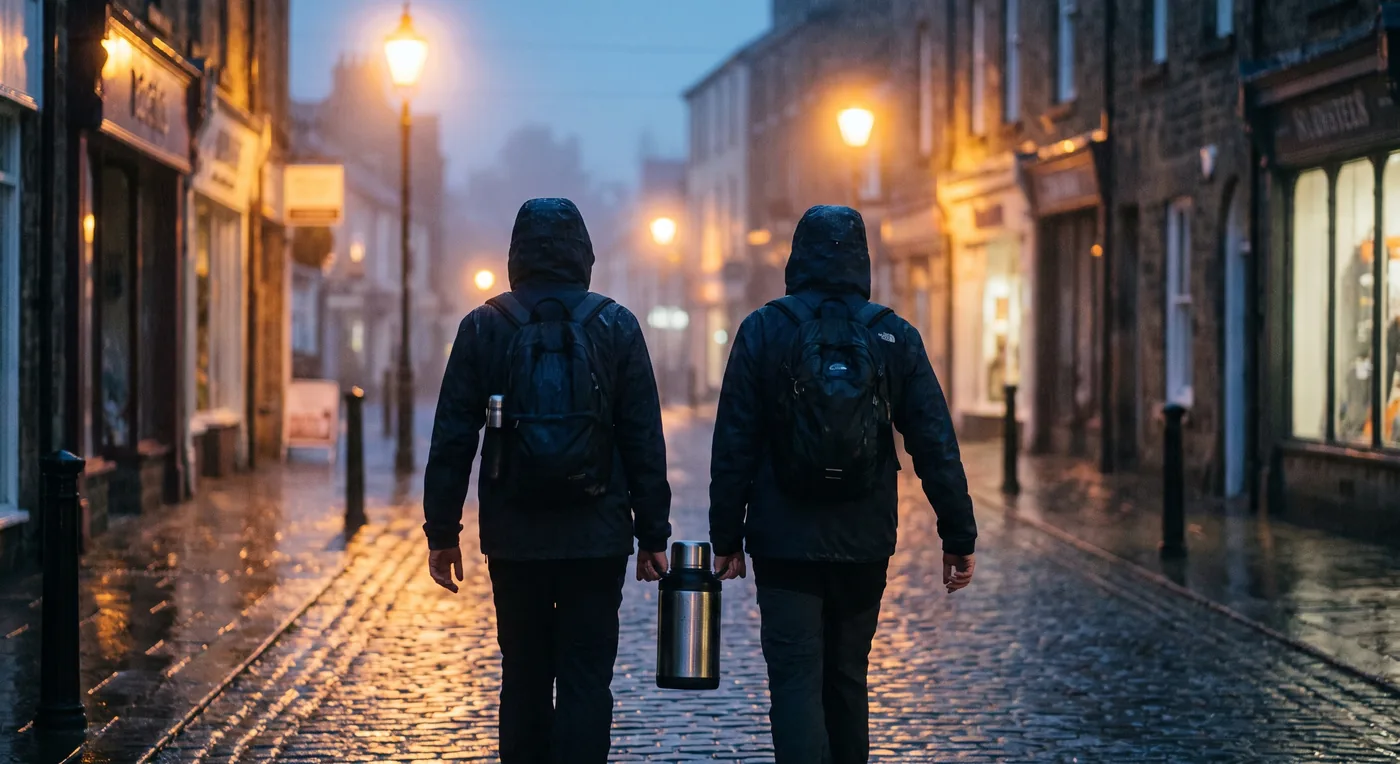
We go to people, not the other way round
People sleeping rough often cannot or will not come to a service — because they do not know it exists, because they have been turned away before, or because leaving their pitch means losing it. So we walk the streets.
Our outreach teams carry hot drinks, food, dry socks and care kits, and they go back to the same people repeatedly. Trust is what makes everything afterwards possible, and trust takes more than one visit.
- Regular evening and early-morning rounds in cold and wet weather
- Immediate essentials: drinks, food, socks, waterproofs, foil blankets
- Referral into shelter, healthcare, addiction services and local authority duties
- Reporting into local outreach networks so nobody is counted twice or missed
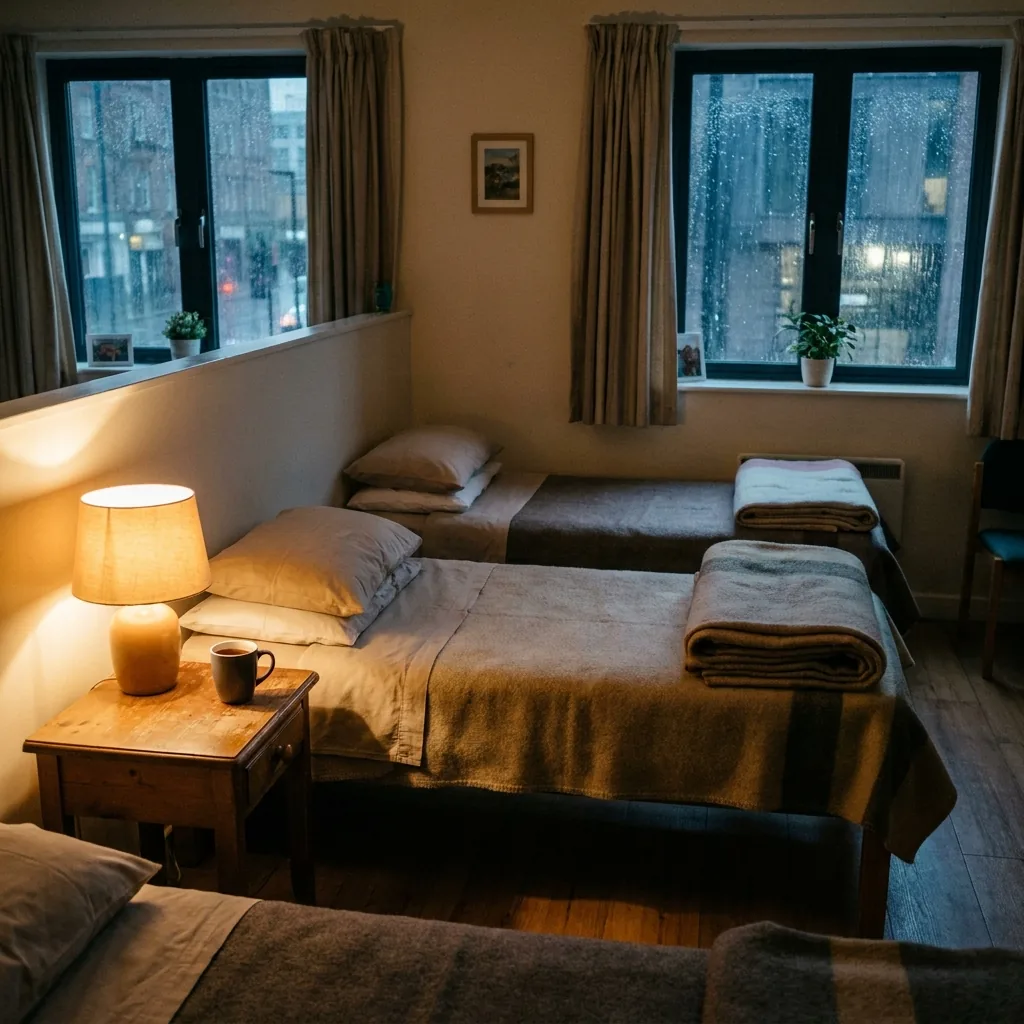
A safe place to stay
Sleeping rough is exhausting and dangerous. People are assaulted, robbed and moved on through the night; almost nobody gets real rest. Our priority is to get someone indoors and let them sleep.
We provide and fund safe temporary accommodation with a bed, clean bedding, washing facilities and somewhere secure to keep possessions — the conditions under which a person can begin to think past the next few hours.
- A proper bed indoors, with bedding, heating and a lockable space
- Showers, laundry and basic toiletries
- A named contact who knows the person’s situation
- A move-on plan agreed with the guest, not imposed on them
Our accommodation provision operates in partnership with local providers and is subject to safeguarding checks, risk assessment and local authority duties. To ask about a placement, or to refer someone, please email help@theambroseinitiative.org.uk.

Meals you can rely on
Hunger is not only about calories. When you do not know where the next meal is coming from, the entire day is consumed by finding it — leaving no room for appointments, applications or anything that might change your circumstances.
So we serve at set times, in the same places, and we do not means-test a meal. Predictability is the point.
- Hot, filling meals served at a table, not through a hatch
- Hot drinks and food carried on every outreach round
- Provision for dietary, religious and medical requirements
- Food hygiene standards maintained across all our kitchens and volunteers
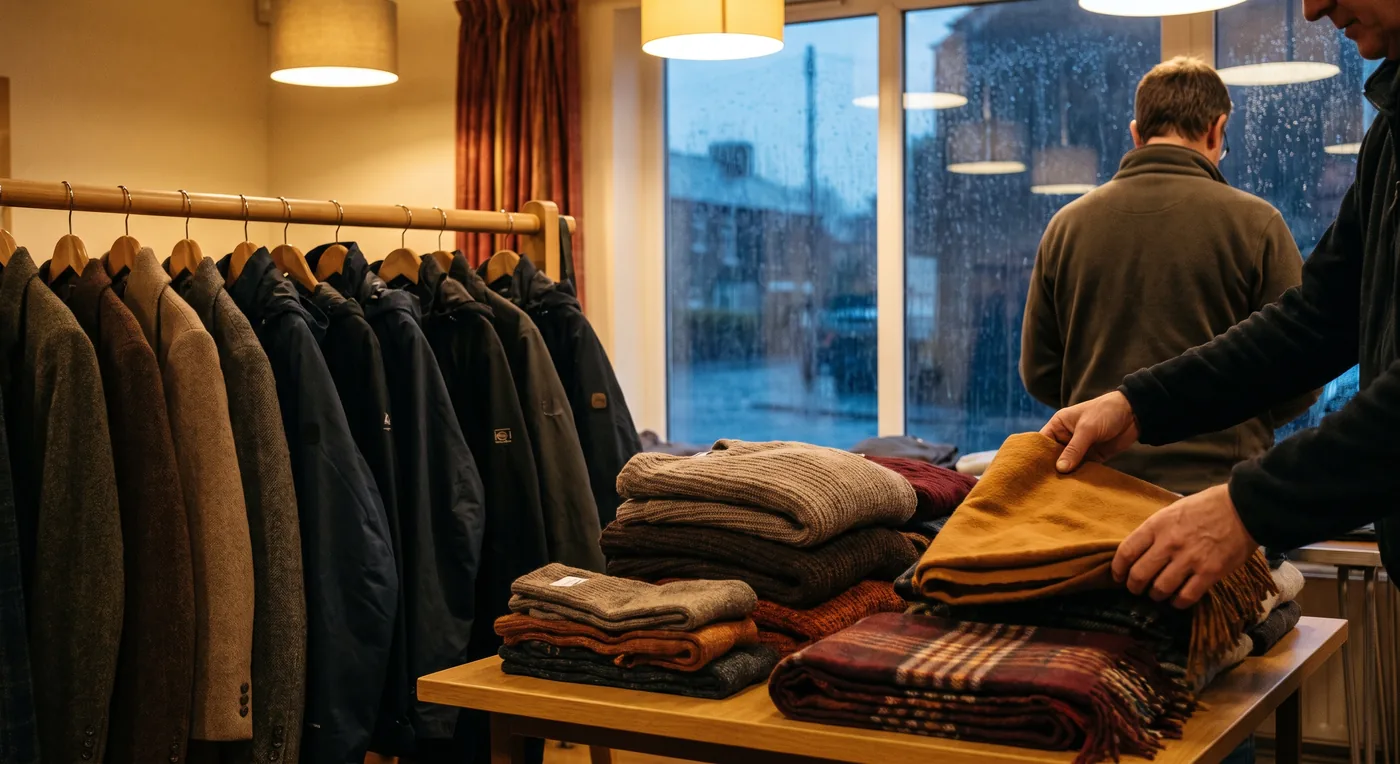
Dry clothes, before the weather does real damage
British rain is the danger people underestimate. Wet clothing against the skin for hours drags core temperature down even in mild weather, and hypothermia, trench foot and chest infections follow. Dry socks are not a small thing.
We keep stocks of waterproofs, boots, thermals, gloves and above all socks, and we let people choose what they take. Being handed whatever happens to be in the box is its own small humiliation.
- Waterproof coats and ponchos, sized and chosen by the person wearing them
- Boots, thermal layers, hats, gloves and large quantities of new socks
- Emergency foil blankets and sleeping bags during cold weather alerts
- Clean, good-quality items only — we do not pass on what we would not wear

The long walk back
This is the part that takes the longest and attracts the least attention, and it is the reason the charity exists. Emergency help keeps someone alive this week. Work, housing and community are what stop the cycle.
The barriers are almost always practical rather than personal, and each one can be dismantled:
| The barrier | What we do about it |
|---|---|
| No ID or documents | Fund and navigate replacement birth certificates, passports and share codes |
| No address for applications | Provide a correspondence address and a reliable way to receive post |
| No bank account | Support applications to basic bank accounts that accept our verification |
| A gap in the CV | Help write an honest CV, and offer a reference based on what we have seen |
| Getting to week one of a job | Cover travel, work clothes, boots and tools until the first wage arrives |
| Keeping the job | Stay in contact through the first months, when most placements are lost |
Our aim is not a placement statistic. It is a person who no longer needs us — housed, earning, and part of the place they live.